
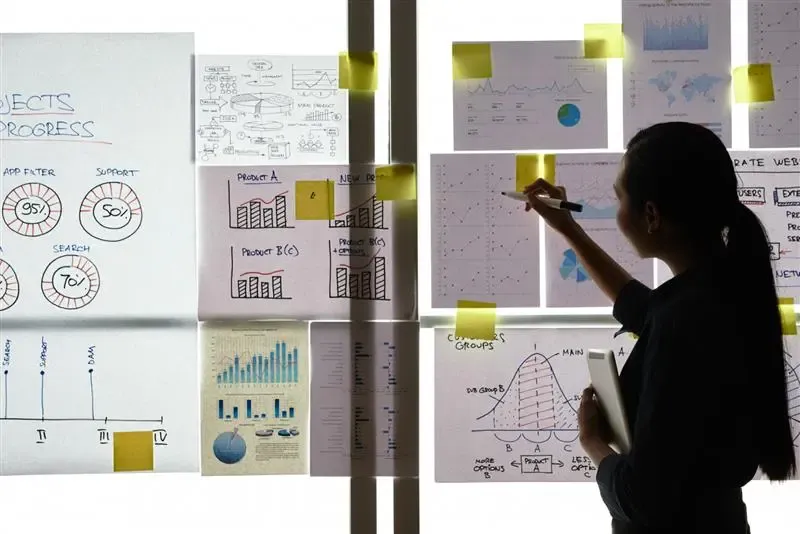
A polished interface no longer guarantees a successful product. Many digital platforms invest heavily in visual design, animations, and modern components, yet users still abandon tasks, uninstall apps, or choose competitors. The problem is rarely aesthetics—it is usually friction hidden inside the experience.
As customer expectations continue to rise, businesses are discovering that usability, context, accessibility, and intelligent personalization have become stronger competitive advantages than visual appeal alone. Organizations that focus on reducing effort rather than adding features consistently achieve better engagement, higher retention, and stronger customer loyalty.
This article explores the invisible factors that separate successful digital experiences from products that simply look impressive.
The Hidden Cost of User Friction
Most organizations notice declining conversions before they identify the real cause.
Common friction points include:
- Confusing navigation
- Too many decision points
- Slow onboarding
- Inconsistent interactions
- Lack of accessibility
- Irrelevant personalization
Each issue may appear minor individually, but together they increase cognitive load and reduce user confidence.
Modern usability research consistently shows that users rarely complain—they simply leave. Instead of learning complex interfaces, people choose products that require less effort.
Why Visual Design Is No Longer the Main Differentiator
Five years ago, beautiful interfaces created a competitive edge.
Today, design systems, AI-powered prototyping, and no-code platforms have made attractive interfaces easier than ever to produce. As a result, businesses compete less on appearance and more on experience quality.
| Then | Now |
|---|---|
| Attractive UI won attention | Seamless workflows retain users |
| Static interfaces | Context-aware experiences |
| Feature-rich products | Outcome-focused products |
| Visual consistency | Cross-device continuity |
| Fixed journeys | Adaptive user flows |
Users now expect products to understand context, remember preferences, reduce repetitive work, and anticipate their next action without feeling intrusive.
The Shift From Interface Design to Experience Engineering
Successful digital products increasingly treat UX as an operational discipline instead of a creative deliverable.
High-performing product teams continuously improve experiences through:
- Behavioral analytics
- User interviews
- Journey mapping
- Session recordings
- Experimentation
- Continuous usability testing
Rather than asking, "Does this page look good?" they ask:
- Where do users hesitate?
- Which tasks create frustration?
- What information is missing?
- Which interactions increase confidence?
This mindset transforms design from decoration into measurable business strategy.
Four Characteristics of High-Performing Digital Experiences
1. They Reduce Cognitive Load
People want to accomplish tasks—not admire interfaces.
Simplified navigation, clear language, progressive disclosure, and consistent interaction patterns reduce the amount of mental effort required to complete actions.
Every unnecessary click, form field, or decision introduces another opportunity for abandonment.
2. They Build Trust Through Predictability
Users feel comfortable when products behave consistently.
Predictable navigation, transparent system feedback, clear error handling, and understandable permissions all contribute to trust.
When users understand what will happen next, they feel more confident completing important tasks such as purchases, registrations, or financial transactions.
3. They Adapt Without Becoming Confusing
Modern products increasingly personalize experiences.
However, personalization succeeds only when it helps users accomplish goals faster—not when it constantly rearranges familiar interfaces.
The best adaptive experiences remain familiar while intelligently reducing unnecessary work.
4. They Include Everyone
Accessibility is no longer optional.
Inclusive design benefits people using assistive technologies, older adults, users with temporary impairments, and anyone interacting under challenging conditions such as bright sunlight, poor connectivity, or limited attention.
Designing for accessibility often improves usability for every user.
Measuring Experience Beyond Conversion Rates
Conversion rate remains important, but it reveals only the final outcome.
Leading product teams monitor additional indicators, including:
- Task completion success
- Time to complete key actions
- User satisfaction surveys
- Feature adoption
- Retention
- Customer effort score
- Support ticket frequency
Together, these metrics provide a more complete understanding of whether users are succeeding—or merely tolerating the interface.
Common Mistakes That Quietly Damage UX
Even mature organizations repeatedly fall into similar traps.
Designing Around Internal Processes
Users should never need to understand company structures or technical architecture.
Interfaces should reflect customer goals rather than organizational charts.
Adding Features Instead of Removing Complexity
Feature growth often creates interface clutter.
Successful products regularly remove unnecessary functionality while improving the experience around core tasks.
Ignoring Real User Behavior
Stakeholder opinions rarely match actual customer behavior.
Behavioral data, usability testing, and customer interviews frequently reveal surprising friction points that internal teams overlook.
Treating UX as a One-Time Project
User expectations continuously evolve.
Successful organizations treat experience optimization as an ongoing process rather than a launch milestone.
Teams interested in understanding how UX transformation in 2026 is influencing long-term product strategy should view continuous improvement—not redesigns—as the defining characteristic of modern digital products.
Future-Proofing Digital Experiences
Emerging technologies such as AI assistants, conversational interfaces, predictive workflows, and multimodal interactions are changing how users interact with software.
However, these innovations do not replace UX fundamentals.
Instead, they increase the importance of:
- Human-centered research
- Ethical personalization
- Transparent AI interactions
- Clear information architecture
- Cross-platform consistency
Organizations exploring evolving user experience design increasingly recognize that technology should reduce complexity rather than introduce new learning curves.
Likewise, a successful next-gen UX strategy is less about adopting every emerging technology and more about solving genuine customer problems with measurable improvements.
Businesses focused on modernising the user experience are finding that sustained competitive advantage comes from continuous optimization, evidence-based design decisions, and close alignment between user needs and business objectives.
Frequently Asked Questions
What is the biggest reason users abandon digital products?
The most common reasons include confusing navigation, excessive complexity, slow performance, inconsistent interactions, and unclear task flows. Small usability issues often accumulate into significant frustration.
Does better visual design automatically improve user experience?
No. Attractive interfaces may create positive first impressions, but long-term engagement depends on usability, efficiency, accessibility, and trust.
How often should companies evaluate their user experience?
UX should be monitored continuously using analytics, usability testing, customer feedback, and iterative improvements rather than occasional redesign projects.
Is personalization always beneficial?
Only when it genuinely reduces effort for users. Poorly implemented personalization can create confusion if interfaces change unpredictably.
Conclusion
The future of digital products belongs to organizations that optimize experiences rather than simply designing attractive interfaces. Visual polish attracts attention, but intuitive workflows, accessible interactions, meaningful personalization, and continuous improvement earn customer loyalty.
As AI, automation, and adaptive interfaces become increasingly common, the companies that succeed will be those that focus less on what users see and more on how effortlessly users achieve their goals. Beautiful design may win the first click—but exceptional experiences keep people coming back.